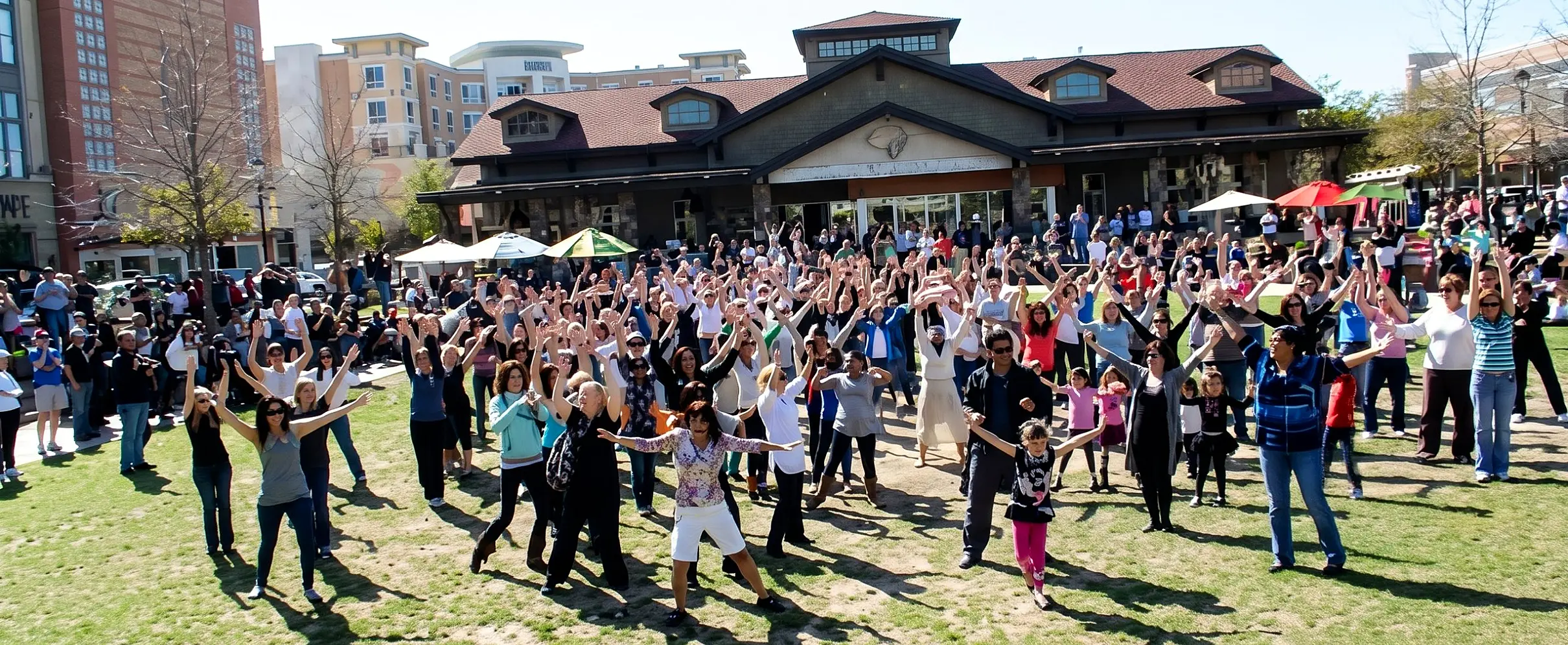
When The Woodlands Danced: The Dancing Queen Flash Mob of 2011
Picture early 2011. Your phone had a camera that was finally good enough, everybody had just discovered Facebook events, and YouTube was full of strangers bursting into choreographed dance in train stations. For a couple of years, the flash mob was the most fun thing on the internet, and every town wanted one.
How a prank became a craze
It started as a joke. In June 2003, Harper’s Magazine editor Bill Wasik sent an anonymous email that sent about 130 people to the rug department at Macy’s in Manhattan, where they gathered around one expensive rug, then scattered. He called it a social experiment. Within a year “flash mob” was in the Concise Oxford English Dictionary.
Then the dancers took over. In 2009 a crowd at Antwerp’s central station broke into “Do-Re-Mi” to promote a Belgian TV search for a Sound of Music lead. Fans staged “Beat It” tributes after Michael Jackson died that summer. And on September 8, 2009, Oprah opened her season on Chicago’s Michigan Avenue, where a crowd of about 21,000 danced along to the Black Eyed Peas’ “I Gotta Feeling.”
2010, the year everyone joined in
By 2010 the flash mob had gone mainstream. On October 30, the Opera Company of Philadelphia surprised Macy’s shoppers with a burst of Handel. A few weeks later, about 450 singers filled the Crown Center in Kansas City with the Hallelujah Chorus. Those videos were shared millions of times, and church choirs, dance studios and wedding parties everywhere took notes.
Houston caught the bug too. A baseball-themed mob was set for Town & Country Center on February 26, 2011, with the details posted online five days early. That was a sign of how things had changed. The original flash mobs were secret. The 2011 kind came with rehearsals.
The Woodlands gets its own
The Woodlands picked ABBA’s “Dancing Queen” for Sunday, March 6, 2011. Practice sessions were held at Market Street and listed on Facebook, and there was a YouTube video for anyone who couldn’t make it. The dress code was simple: bring a white or silver boa.
The event planner, and the day’s own “Dancing Queen,” was Indrani Goradia, founder of Indranis Light Foundation, a Woodlands nonprofit that works to end violence against women. She put it together with her business partner, Vindia Patel, and Patty Copola. Going in, Indrani said as many as 250 dancers could turn out.
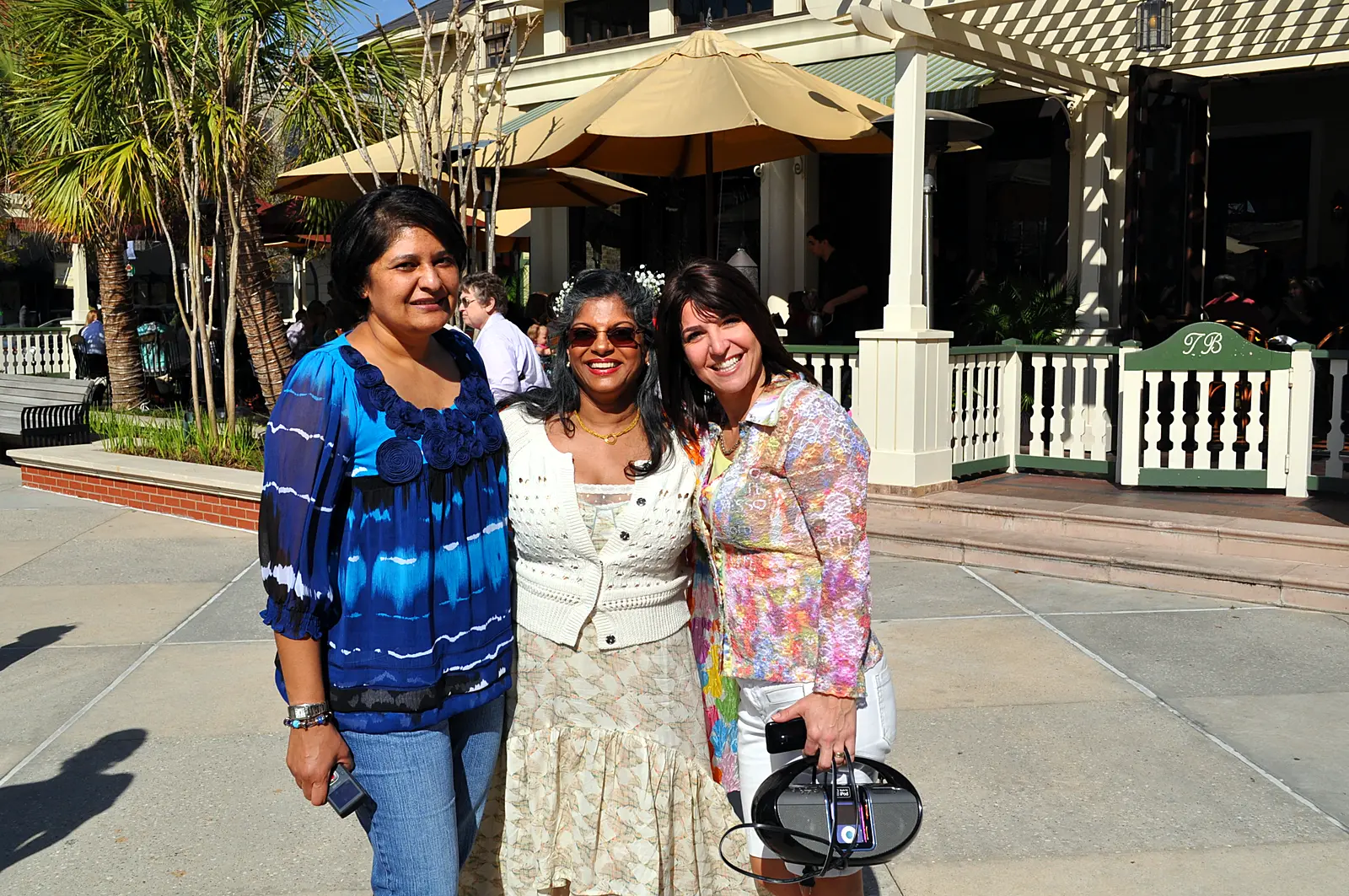
Sunday at Central Park
March 6 was a bright, cloudless afternoon. The lawn at Central Park in Market Street filled in from the edges, with families on the steps, strollers parked along the walk and kids running loops on the grass while everyone waited for the music. Then “Dancing Queen” started, and the boas came out.
Here’s the dance as we filmed it from the edge of the lawn. MetroWebTV was there too, and its video is on YouTube.
Where flash mobs went next
The craze didn’t last. By the summer of 2011, “flash mob” was turning up in news about crowds organized online for trouble, and Philadelphia set a curfew that August. The cheerful kind faded into wedding proposals and holiday ads.
But for one Sunday afternoon, The Woodlands had its own, in boas, on the grass at Market Street.
Sources: CultureMap Houston (Feb. 24, 2011); NBC Chicago (2009); NPR (2010); ProPublica Nonprofit Explorer; Wikipedia, “Flash mob”.
More of the community’s past is on The Woodlands Texas History page.
The Woodlands Texas Activities Guide

Family Activities
For the same reasons many choose to make their home here, families find charm and appeal in spending a day, a weekend or a week in The Woodlands.

Waterway Activities
The centerpiece of Waterway Square is the 120' Waterwall and circular fountain featuring regularly scheduled light and music shows. The public venue also features restaurants, hotels, and is the nightlife area of The Woodlands Texas.

Festivals in The Woodlands
Several festivals and other outdoor events held throughout the year in Town Center. Festival events are frequently held on the Great Lawn in Town Green Park including, the Annual Crawfish festival.

Sports Activities
From the jogging loop in Grogan's Mill, you can travel along the pathways to Disc Golf courses, pickle ball courts, Bocci Ball, and various playfields.

Swimming Pools

Live Music in The Woodlands
Throughout the year, you’ll hear about concerts, performance art shows, festivals and free live music, all happening in The Woodlands.